History tells you what happened. We show you what it cost.
The medics, the survivors, the decisions no one trains you for. Character-driven animated documentaries, with the research behind every episode published here.
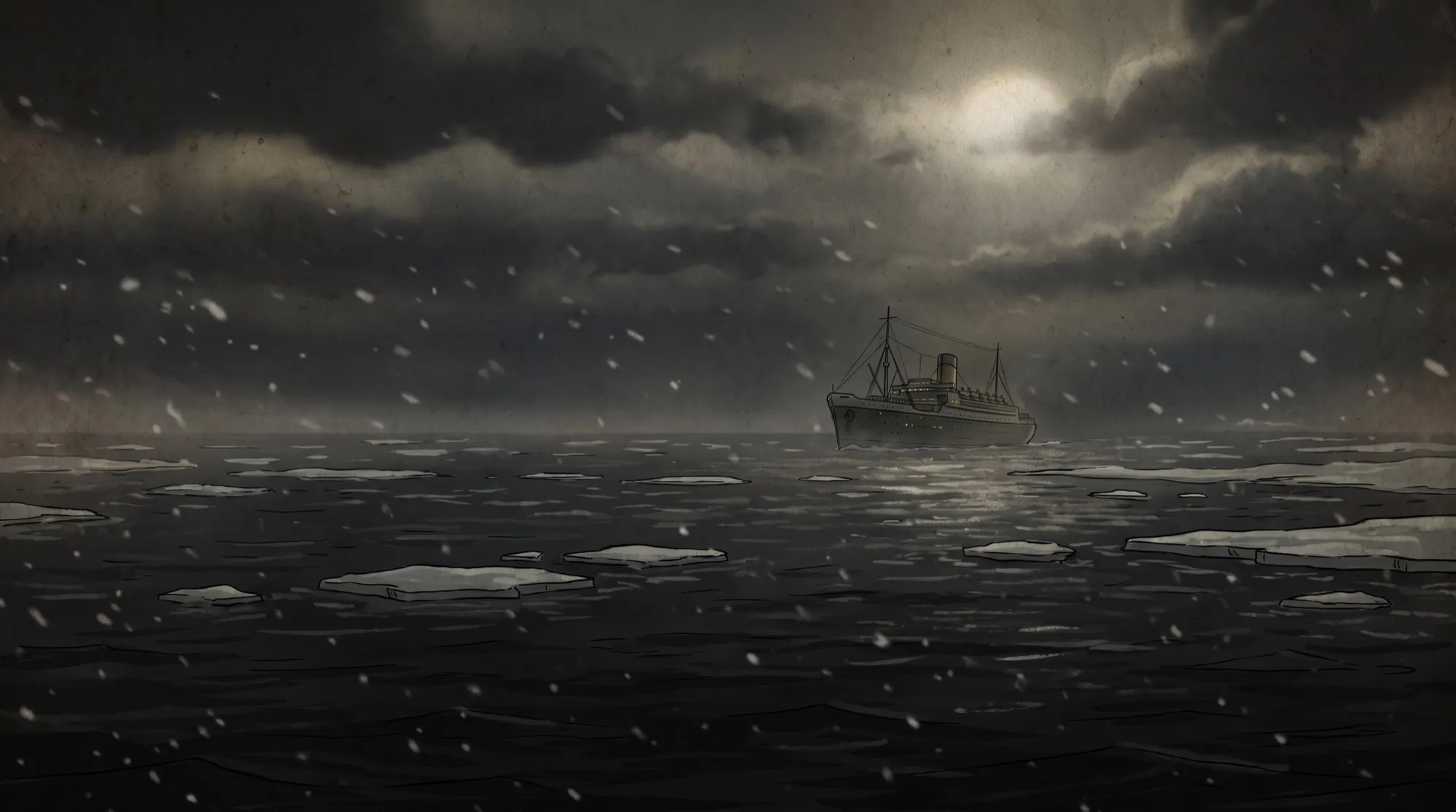
On 30 January 1945 a former cruise liner left Gotenhafen with refugees, wounded soldiers and navy trainees aboard. That night three torpedoes hit her. The episode follows a ten-year-old boy, a mother of three, a navy doctor and a sailor's family through the sinking and the months after, and asks why no one can say how many died.
I have lost my 3 children and am now completely alone.
Betty Falk, letter to her sister Irma, Selsingen, 18 February 1945
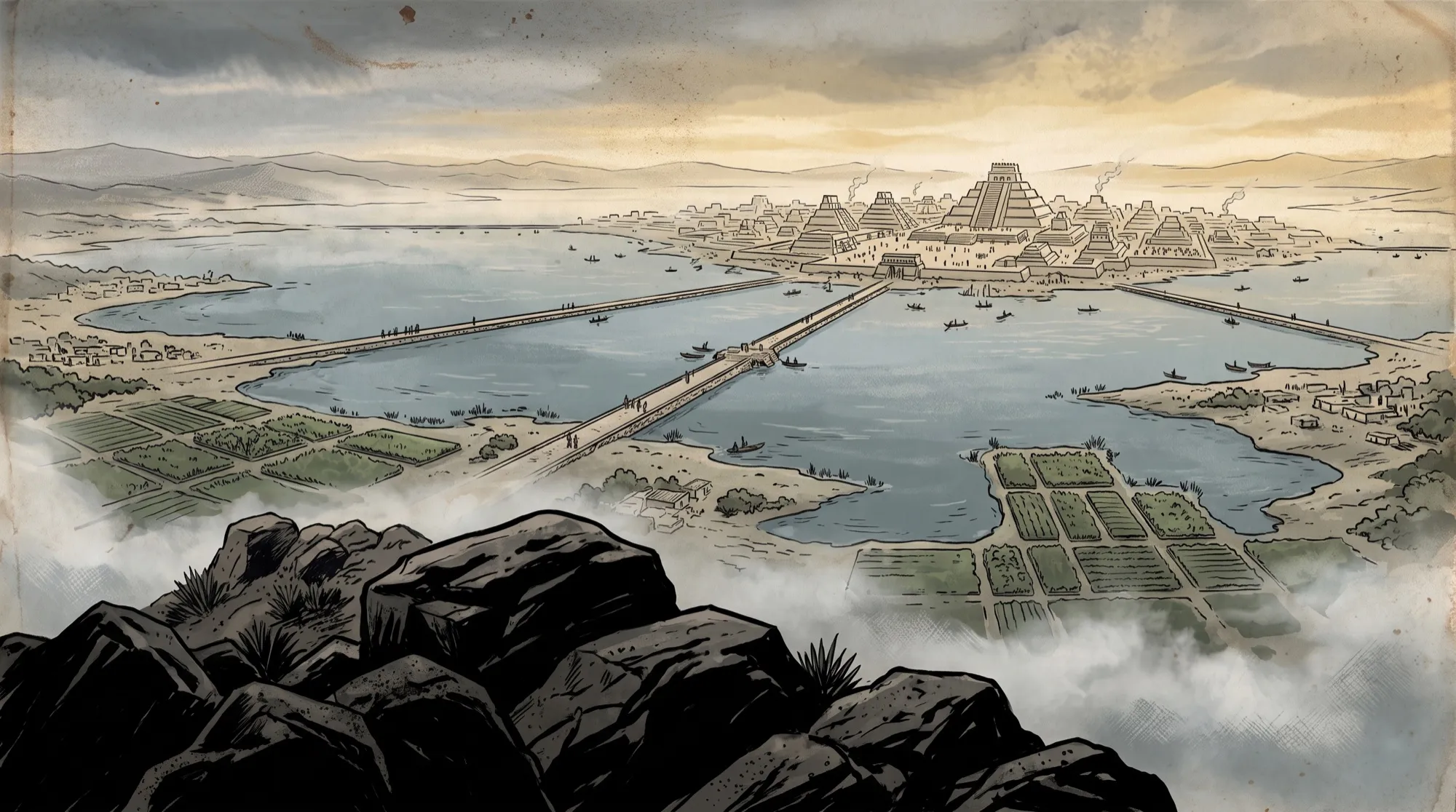
About five hundred Spaniards reached Tenochtitlán in November 1519, but they did not walk the road alone. This episode follows the interpreters, the Totonac and Tlaxcalan allies, and the porters who carried the expedition inland, and the people of Cholula who paid for decisions made by others.
In research · About 28 minutes (planned)The Halifax ExplosionHalifax and Dartmouth, Nova Scotia · 6 December 1917
In production · About 20 minutes (planned)The Hands That Survived RomeVindonissa, on the Upper Rhine frontier (modern Windisch, Switzerland) · About AD 35
The research for each one is published as it is checked.
How we tell it
No war porn. No glory. Just what it cost.
01
The person before the battle
We start with a name, a role and a moment, not a map arrow. Battles are where these stories happen, not what they're about.
02
Numbers over adjectives
Wounded, surgeons, minutes, miles. Every figure carries its source in the same breath, and where sources disagree, we show you.
03
Their words, not ours
Letters, diaries and testimony are quoted as written and set apart from the narration. A soldier's own words never sound like a script.
Every source on this site carries one of three labels
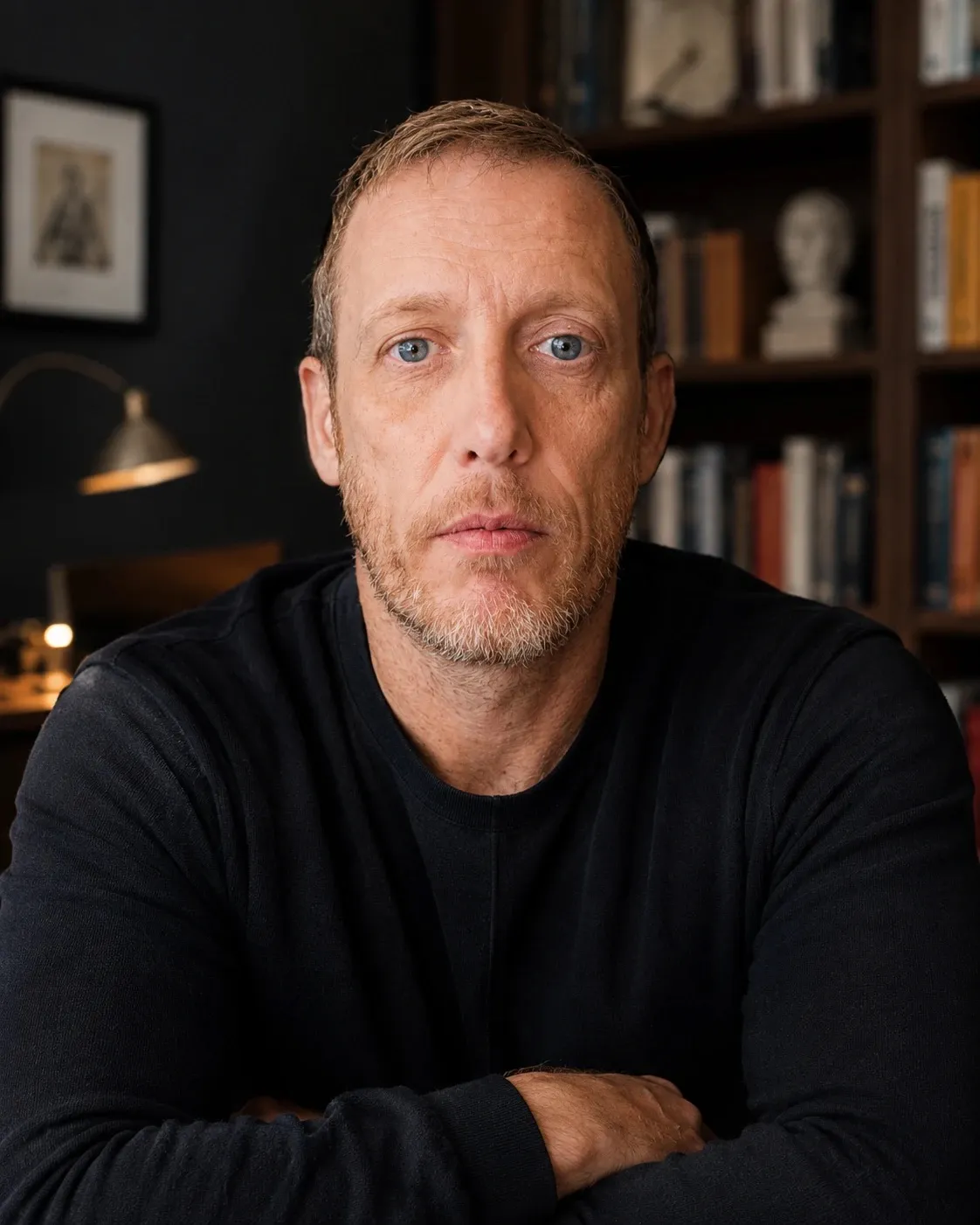
I served as a U.S. Navy Hospital Corpsman and Fleet Marine Force corpsman with the Marines from 2002 to 2010, including a deployment to Afghanistan. I make this for the medics, corpsmen and veterans who know what the textbooks leave out, and for anyone who wants history told at the level of the people inside it.